Where to Stay in Toronto
Your guide to the best areas and accommodation types
Toronto spreads around a curved harbour, so accommodation clusters by transit line and lake access. Downtown Core and Entertainment District keep you near the PATH, arenas, and glass towers. Bloor-Yorkville offers quieter limestone streets, café steam, and museum walks. The waterfront adds ferry whistles, wet boardwalk sheen, and cool air off Lake Ontario.
Budget stays lean toward hostels and basic hotels; mid-range hotels line Queen and Richmond. Luxury addresses sit above the financial grid. Peak rates arrive in summer and December.
Budget
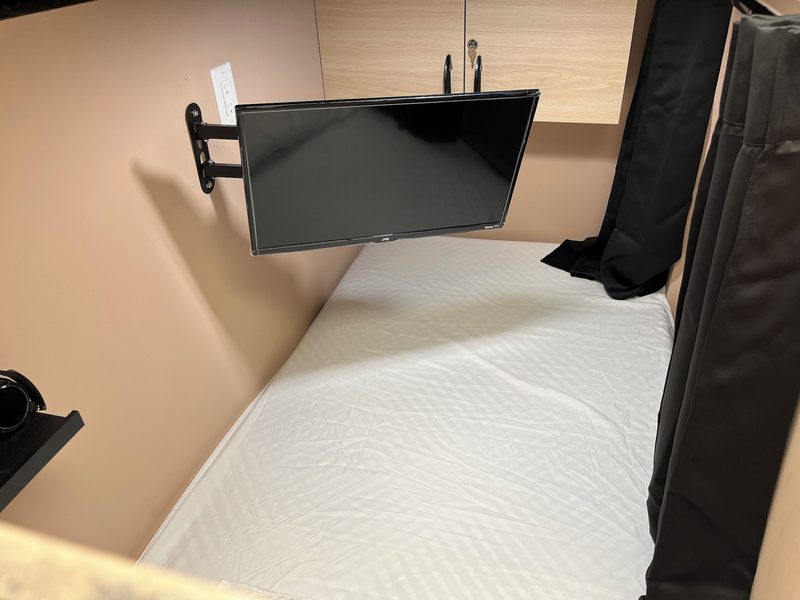
$60-150 per night for hostels and basic hotels
Mid-Range
$180-360 per night for 3-4 star hotels
Luxury
$420-900+ per night for 5-star properties
Where to Stay in Toronto
Hand-picked hotels across price tiers for every visitor.
★★★
Budget
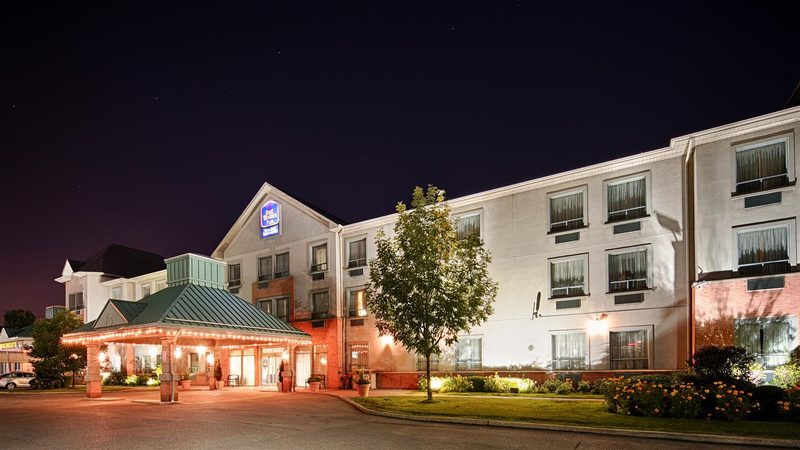
Best Western Plus Travel Hotel Toronto Airport
From $123 / night
Check Prices on Trip.com →
Best Areas to Stay
Each neighborhood has its own character. Find the one that matches your travel style.
Hotel recommendations verified
Downtown Core
Mid-range
The financial grid around Bay Street and Queen Street puts Toronto's PATH tunnels, office towers, and Nathan Phillips Square underfoot. Sidewalks carry commuter footsteps, street musicians, and the cool draft from subway stairwells. It is practical, dense, and well connected.
- ✓ Walk to City Hall, Eaton Centre, and PATH
- ✓ Direct subway and streetcar access
- ✓ Luggage storage at most hotels
- ✓ Dinner and office lunches within minutes
- ✗ Evenings feel quiet after offices close
- ✗ Street parking is scarce and costly
- ✗ Tourist crowds concentrate around the square
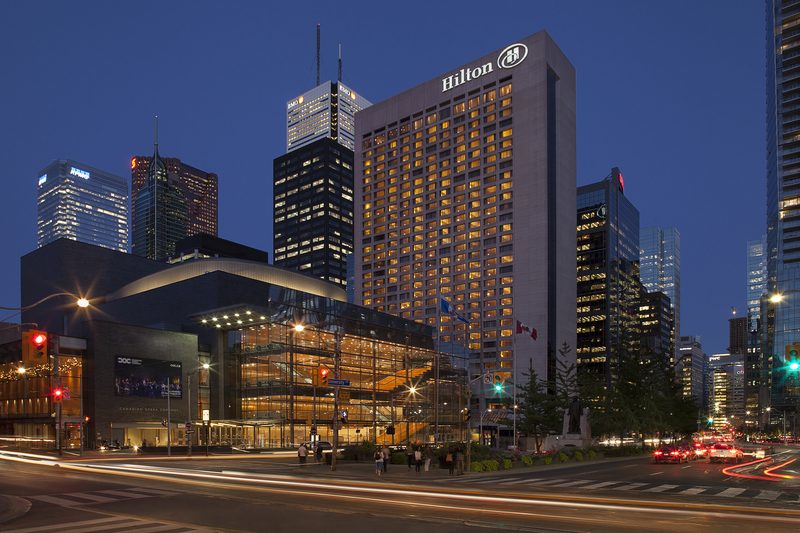
Recommended places to stay in Downtown Core
Entertainment District
Mid-range
Richmond and Blue Jays Way bring neon signs, arena crowds, and restaurant clatter close to the CN Tower. After games, the air smells of popcorn and rain on pavement, while streetcars rattle past glass façades. It is energetic without needing a car.
- ✓ Steps from Scotiabank Arena and Rogers Centre
- ✓ Late dining and bar scene
- ✓ Streetcar connections to the waterfront
- ✓ Strong hotel choice for event nights
- ✗ Game-night traffic and crowd surges
- ✗ Sirens and bar noise can reach rooms
- ✗ Limited residential calm after midnight
Recommended places to stay in Entertainment District
Bloor-Yorkville
Luxury
Bloor Street's limestone façades, boutique windows, and coffee steam give Toronto's most polished neighborhood a slower tempo. Side streets hold restaurants, galleries, and the hum of subway trains near the museum. It feels residential and refined. Yet still central.
- ✓ Walk to the Royal Ontario Museum and Bloor shopping
- ✓ Quieter side streets than the downtown grid
- ✓ Strong restaurant and café scene
- ✓ Good transit on the Bloor line
- ✗ Room and meal prices run high
- ✗ Budget lodging is limited
- ✗ Parking is tight and costly
Recommended places to stay in Bloor-Yorkville
Waterfront
Mid-range
Queens Quay and the lakefront edge bring ferry whistles, wet boardwalk sheen, and cool air off Lake Ontario. Hotels here trade street noise for harbour lights and wind. It is best for travelers who want Toronto's water view and a slower evening walk.
- ✓ Close to ferry terminals and Toronto Islands
- ✓ Lake breezes and harbour views
- ✓ Flat walking along Queens Quay
- ✓ Good for summer and festival season
- ✗ Winter wind can feel raw
- ✗ Fewer late-night restaurants than downtown
- ✗ Delivery traffic near Lower Simcoe Street can reach rooms
Recommended places to stay in Waterfront
Liberty Village
Mid-range
Brick warehouse conversions, brewery patios, and the rattle of Exhibition Place trains give this southwest Toronto district a factory-town texture. Streets smell of roasted coffee and lake dust, while evening patios glow under string lights. It suits travelers who want character beyond the core.
- ✓ Walk to Liberty Village shops and patios
- ✓ Close to Exhibition Place and the GO station
- ✓ Hotel X adds a spa-focused stay
- ✓ Less commuter traffic than downtown
- ✗ Nightlife is quieter than the Entertainment District
- ✗ Rail noise from Exhibition Place can reach rooms
- ✗ Transit to the core can require a streetcar or train
Recommended places to stay in Liberty Village
Find Hotels in Toronto
Compare prices and book your perfect stay
Find the best hotel for your stay on Trip.comPrices via Trip.com. We may earn a commission from bookings.
Accommodation Types
From budget-friendly hostels to luxury hotels, here's what's available.
Hotels
Budget-friendly to luxury
Chain and independent hotels sit along Queen, Richmond, and Bloor, with steady service and transit access.
Best for: Travelers wanting daily housekeeping and central rooms
Ask for high floors away from streetcars and arena crowds.
Hostels
Budget-friendly
Hostel dorms and private rooms offer the lowest nightly stays near downtown and university streets.
Best for: Solo travelers and short stays
Private rooms fill before dorm beds during festival season.
Boutique hotels
Mid-range to luxury
Boutique properties convert warehouses, schools, and limestone buildings into smaller, design-led rooms.
Best for: Design-focused travelers
Check room views. Warehouse hotels can face alleys or rail yards.
Extended-stay suites
Mid-range
Suite hotels with kitchenettes work for longer Toronto visits near transit and grocery access.
Best for: Families, relocators, and long weekends
Book a suite near PATH or streetcar lines for rainy-day access.
Booking Tips
Insider advice to help you find the best accommodation.
Event nights fill core hotels first
Toronto weekends around Scotiabank Arena, Rogers Centre, and summer festivals can clear rooms near the PATH and Entertainment District. Reserve early if you need quiet floors.
Waterfront wind changes room choice
Lake-facing rooms on Queens Quay feel cooler and noisier in winter wind, while inner streets offer warmer, quieter stays.
Bloor-Yorkville rooms sell around museum days
Hotels near the Royal Ontario Museum and Bloor-Yonge Station draw weekend shoppers and museum visitors, so book ahead for spring and fall weekends.
When to Book
Timing matters for both price and availability.
High Season
Reserve well ahead for summer, festival weekends, and December markets.
Shoulder Season
Late September to early November brings cooler lake air, leaf colour, and easier availability.
Low Season
January and February offer lower demand, except event weekends and holidays.
A couple of weeks covers most stays. Summer core stays need more lead time.
Good to Know
Local customs and practical information.
Check-in / Check-out
Standard afternoon check-in and late-morning check-out; most hotels store luggage for early arrivals.
Tipping
Tipping is optional. Round up the bill or leave a small note for housekeeping.
Payment
Cards work across Toronto. But cash helps at market stalls and small cafés.
Safety
Stay aware near transit after late hours, use room safes, and watch wet sidewalks in winter.
Ready to plan your trip to Toronto?
Now that you've got the research covered, here's where to go next.